Astrophysics and nuclear matter
Transport properties in neutron stars and neutron star mergers
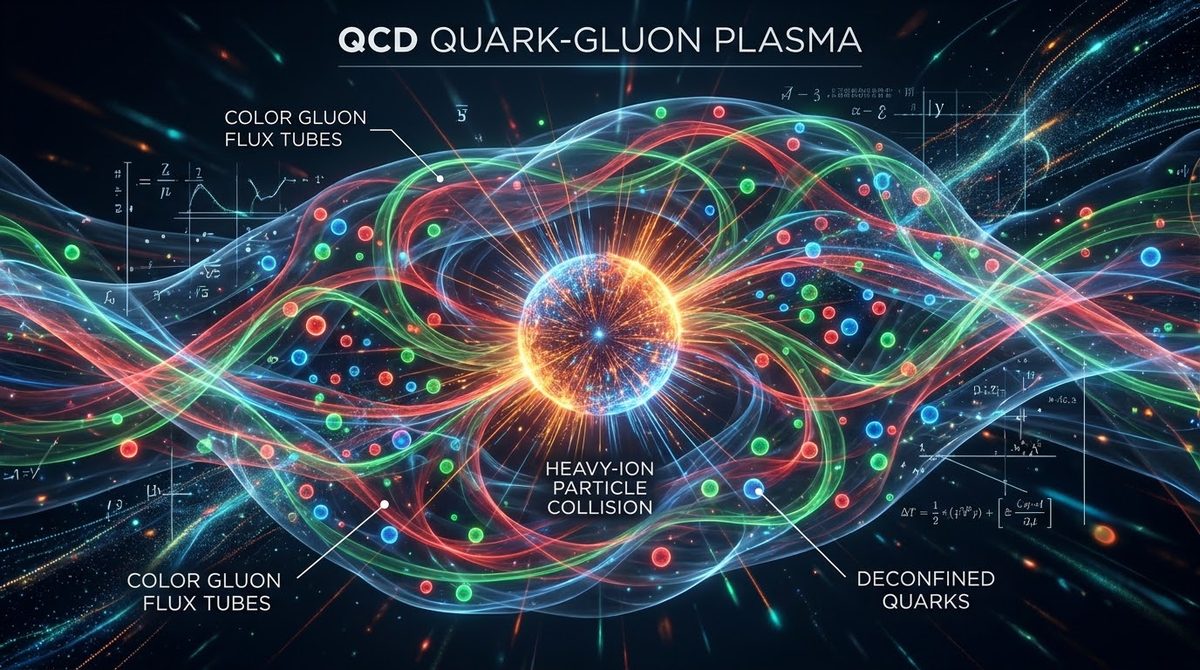
Understanding how dense nuclear matter behaves — specifically transport properties like viscosity and thermal conductivity — is essential for unlocking the mysteries of neutron stars. While a star’s mass and size are governed by its basic equation of state, its transport properties dictate how it reacts to external forces, offering vital clues about its hidden microscopic makeup, which could range from standard protons and neutrons to exotic quarks.
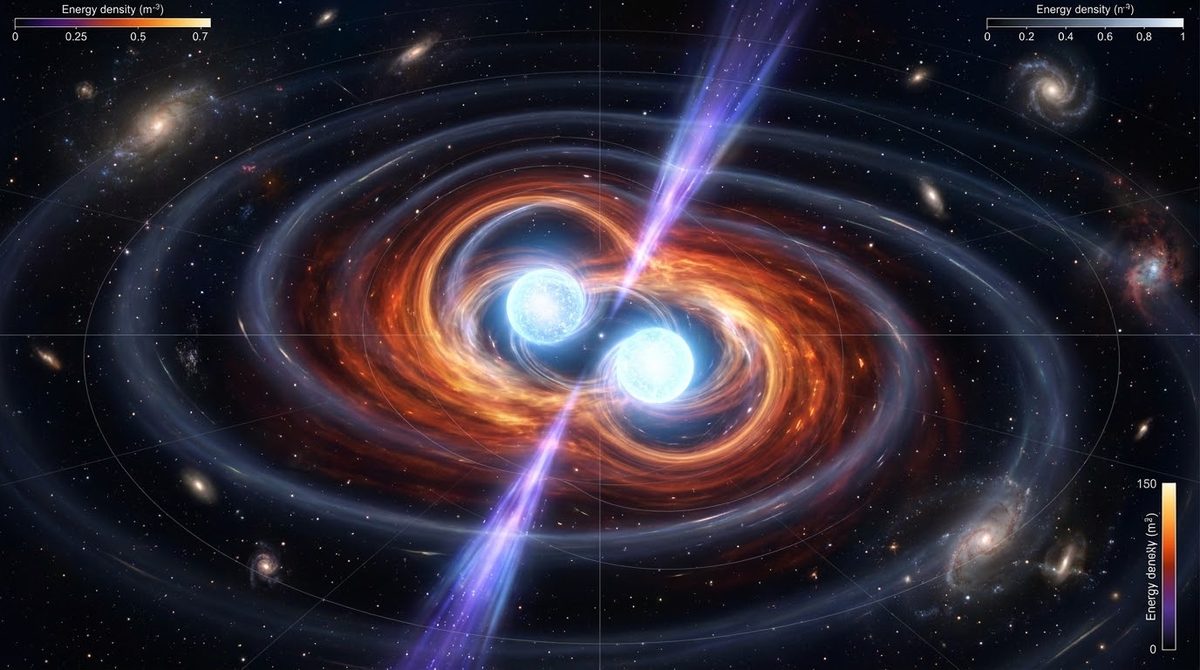
Because we cannot replicate these extreme densities on Earth, scientists must deduce them through stellar oscillations and the groundbreaking field of gravitational-wave astronomy. Although current simulations of neutron-star mergers often ignore these transport effects, incorporating them is the critical next step for astrophysics. Accounting for factors like bulk viscosity, which operates on the exact timescale of stellar collisions, will allow researchers to accurately decode gravitational-wave signals and reveal the true inner workings of these extreme cosmic events.